M&A SoCal Mixes Tradition with Modern Dealmaking
Nearly 30 years running, M&A SoCal brought the Los Angeles networking experiences attendees have come to expect alongside new programming experiences for modern dealmaking
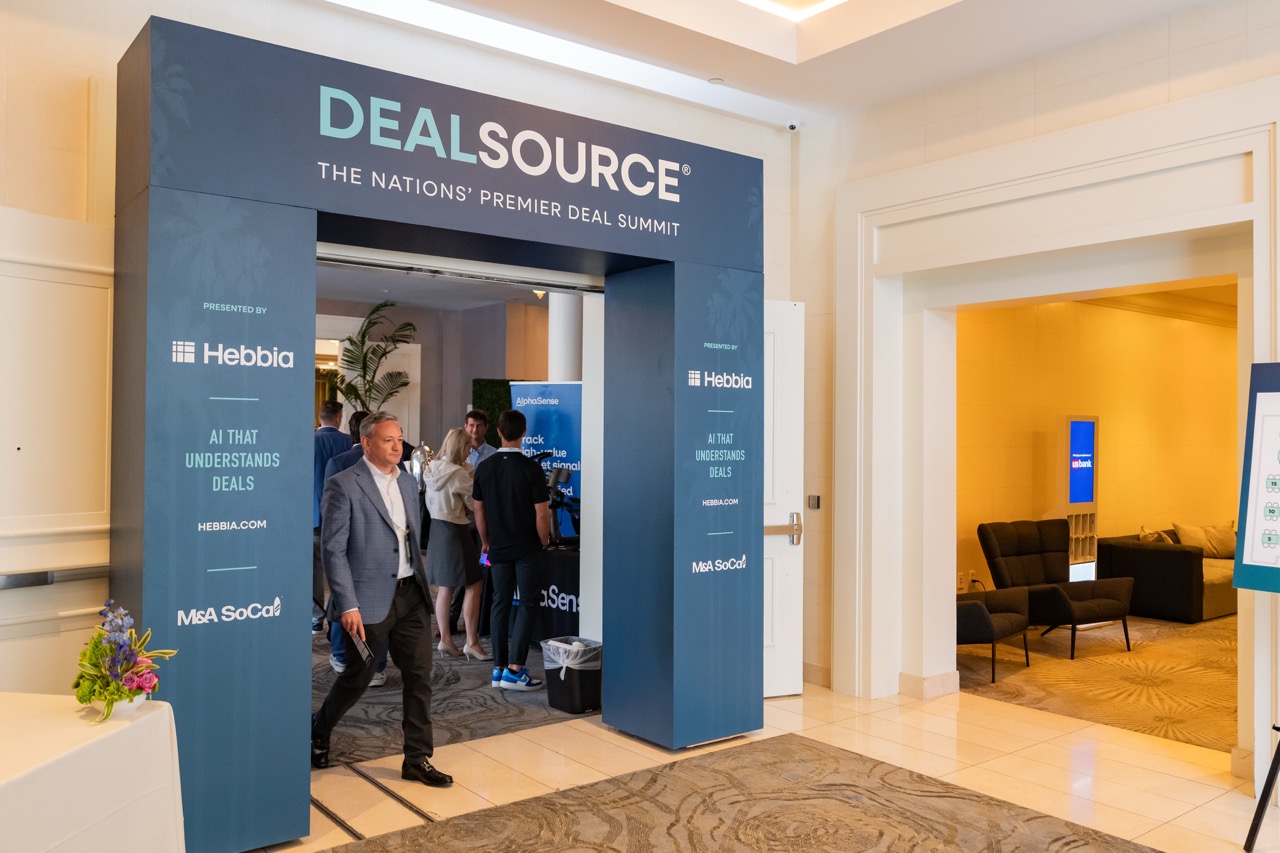
With nearly three decades under its belt, M&A SoCal has built a tradition of connecting the region’s dealmakers through networking experiences with a uniquely Southern California flair.
This year’s M&A SoCal, hosted by ACG Los Angeles, delivered on those expectations with opportunities to connect at LACMA, The Magic Castle, and even an Andrea Bocelli concert at The Hollywood Bowl. Once again hosted at The Beverly Hilton, the conference also set the scene for nearly 1,200 dealmakers to connect in more than 5,700 DealSource meetings scheduled through ACG Access.
In addition to the familiar, this year’s event brought in fresh experiences for attendees, too, including new ways to connect and recharge throughout the three days of programming, as well as timely panel discussions on the biggest topics for middle-market M&A today.
Event Recap
WHAT: ACG Los Angeles M&A SoCal
WHEN: Sept. 13-15, 2026
THE TAKEAWAY: Nearly 30 years running, M&A SoCal mixed the traditional experiences of Southern California with programming on modern dealmaking for a rich attendee experience.
ACG Insights recaps some of those discussions below.
AI Through the Deal Funnel
After a morning of DealSource meetings and networking in the M&A SoCal Lounge, attendees convened for the event’s first panel, “A Dealmaker’s Guide to the AI-Enabled Deal Lifecycle,” sponsored by Carta.
An intimate panel of AI and M&A thought leaders jumped into the discussion with a clear message: AI in dealmaking is no longer just about putting data together and saving time. With private equity’s rising adoption of the technology, AI is beginning to permeate all levels of the deal funnel, leading to changes not only in transaction workflows, but in how dealmakers interact with each other.
While AI adoption has undoubtedly become more advanced compared to only a year ago, traction remains strongest at the top of the deal funnel in processes like deal sourcing. As one panelist explained, it’s not surprising AI has seen some of the greatest adoption in this area: The origination process, the panelist noted, is where the pool of data is both wide (a large breadth of information across many potential targets) and shallow (dealmakers, at this stage, need relatively basic data in their search).
It’s further down the funnel through due diligence, transaction execution, and post-close where that data pool not only grows deeper, but where human input plays a heavier role (and perhaps unsurprisingly, where AI adoption is less pervasive). AI can extract information from the data room in the due diligence process, summarize transaction contracts, and automate monthly portco reports, but at the end of each of these workflows, humans must still own any conclusions and decisions made from those AI outputs.
As dealmakers continue to pilot AI solutions and consider which workflows could benefit most from the technology, the panelists emphasized that change management has emerged as a major hurdle to adoption. In addition to the uncertainty and skepticism that comes with any technological shift, the panel pointed to generational friction as a focus of internal discussions today. Veteran dealmakers are increasingly raising concerns about younger associates leaning too heavily on AI without the experience of being in the “trenches” of the data room.
But one panelist likened this to the advent of the calculator: When the technology comes along, PE firms should hire newcomers who know how to use it. “In the age of the calculator, you don’t hire someone to do long division,” the panelist noted. “You hire someone who knows how to use the calculator. It’s not about what the numbers are; it’s about what they mean.” AI may be changing how dealmakers obtain information, but it’s a dealmaker’s experience and knowledge that allows them to draw effective conclusions from it.
The Art of the Deal
With 2026 quickly drawing to a close, dealmakers are looking forward at a 2027 market that remains full of uncertainties.
Panelists mused on the unknowns during “The State of the M&A Market” panel, where experts discussed the ongoing valuation gap, intensifying due diligence processes, a shifting credit landscape, and more.
The COVID-19 pandemic’s influence on how buyers and sellers approach the deal table persists, but as sellers begin to come down on their valuation expectations, buyers have also had to make concessions in how they assess a potential target. Pre-COVID, for instance, investors sought growth. Today, one panelist emphasized, it’s more about stability, particularly stability of earnings.
That shift is the result of an M&A environment that has experienced a slew of headwinds since the pandemic, including supply chain bottlenecks and tariff pressure, interest rate volatility, and geopolitical events. “Dealmaking is more of an art than a science today, especially compared to 2021,” noted one panelist, who added that the “new normal” of patchy earnings reflects the nuances of business performance—and EBITDA no longer tells the whole story.
Instead of EBITDA predictability, dealmakers today want visibility into those figures, especially in that first year post-close. For buyers, that means more robust due diligence; for sellers, that means more proactive exit preparation to have answers ready before buyers ask the questions. QofE reports, market studies, customer research, compliance audits—much of the work that was done post-close by a business is now being done at the start of the transaction process.
Expanding on which markets are experiencing healthy M&A opportunity in the year ahead, panelists pointed to industrials (including environmental services), consumer/retail, healthcare, and business services. Spaces like technology and tech-enabled business services, meanwhile, cannot shake off the risks of AI disruption and the ongoing uncertainty that has weighed the sector down in the last year.
Regardless of industry, panelists with both a lender and an investor viewpoint agreed that dealmaking today has had to adjust its approach to risk in a market climate where predictability is fleeting. As one panelist concluded, “I’d rather be on the outside looking in on a business I should have invested in, than inside looking out of a business I’m trying to sell.”
Carolyn Vallejo is ACG’s Senior Editor.
ACG Insights is produced by the Association for Corporate Growth. To learn more about the organization and how to become a member, visit acg.org.